
PhD · CTO at AIVIZ · Verona
Pasquale Mirtuono, PhD — I build AI vision systems that inspect products on production lines.
Pharmaceutical glass, tablets and capsules, 1D/2D codes, leather, marble and other surfaces — from the first feasibility test to systems that run at line speed.
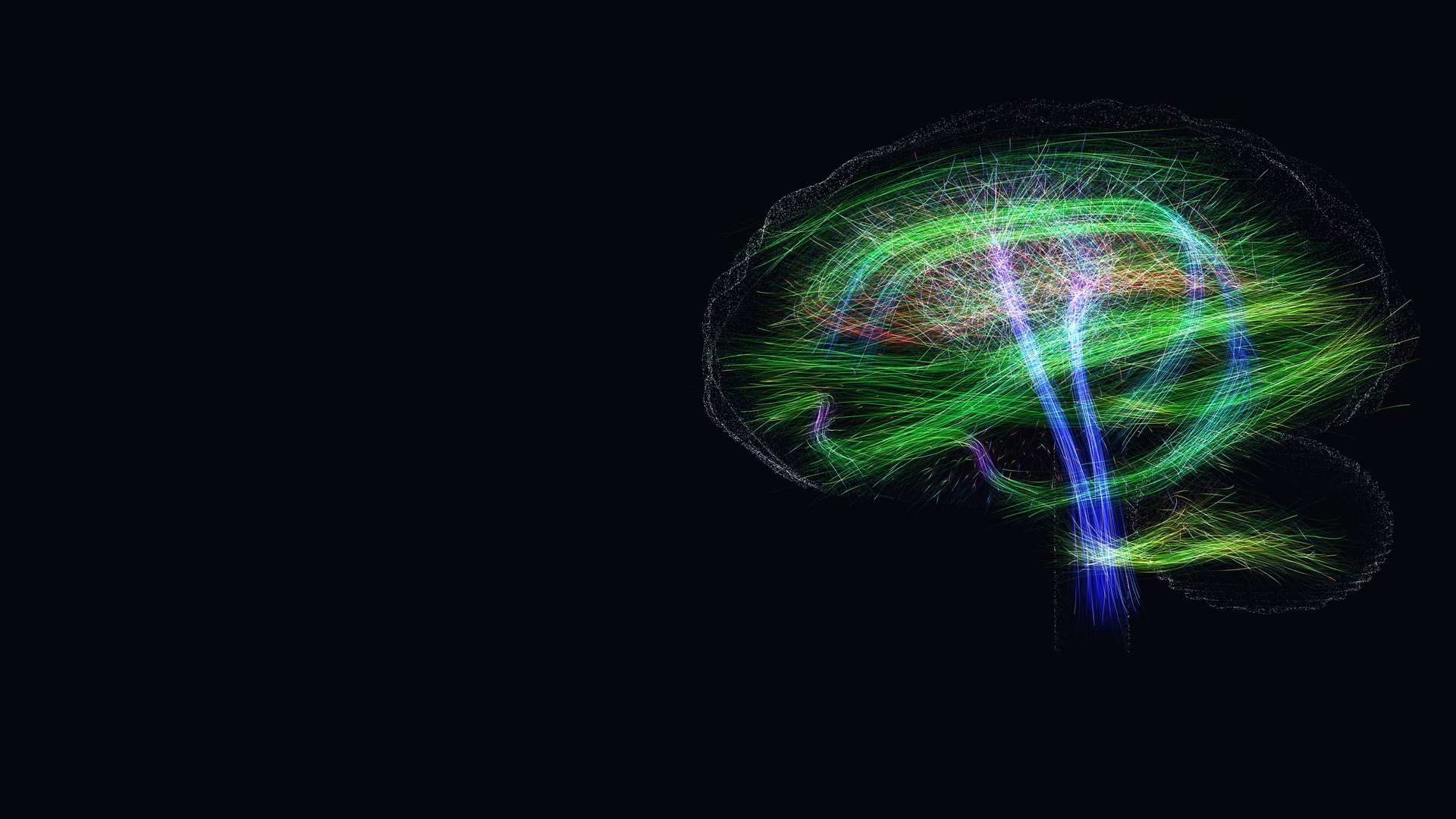
Fig. 00 — Tractography. A procedural reconstruction of the main white-matter bundles of the brain, coloured by direction: red left–right, green front–back, blue up–down. Live WebGL.
Scroll02What I do
From the image to the decision
An inspection system is only as good as its weakest link: light, optics, data, model, software, integration, validation. I work on the whole chain — and lead the teams that build it.
-
Defect detection & AI
Deep learning and classical computer vision to find what should not be there — particles, cracks, chips, stains, missing parts. Anomaly detection where defects are rare and every one of them counts.
- Deep learning
- Anomaly detection
- Classical vision
-
Code reading & traceability
1D and 2D codes — Data Matrix, QR, GS1 — and printed text read and verified at line speed with OCR and OCV: lot, expiry, serial. The quiet backbone of traceability and line clearance.
- 1D · 2D codes
- OCR · OCV
- Line clearance
-
Vision systems that hold up in production
Cameras, optics and lighting chosen for the product. Python and C++ pipelines that run every day, integration with machines, PLCs and reject logic, and validation evidence for regulated manufacturing.
- Optics & lighting
- Python · C++
- Integration
- Validation
-
Technology leadership
CTO of a computer-vision company; before that, leader of a deep-learning team. Roadmaps, architecture decisions, hiring and mentoring — and technical choices made legible to the business.
- Strategy
- Teams
- Product
How I work
Light first
Lighting and optics are half the algorithm. With the right image, the model gets simple.
Rare defects, real data
Models built for what actually happens on the line, not for the demo set.
Validated, not demoed
A false reject costs money, a missed defect costs trust. Both are measured before go-live.
03What I inspect
Every product needs its own care
Each industry has its own rules. In pharma that means 21 CFR Part 11, GAMP 5 and validated systems: every change is controlled, every performance figure has to be proven. It is a conservative environment and, at the same time, one of the most advanced. Tablets, codes, hides and stone each bring other constraints — their own light, optics and models.
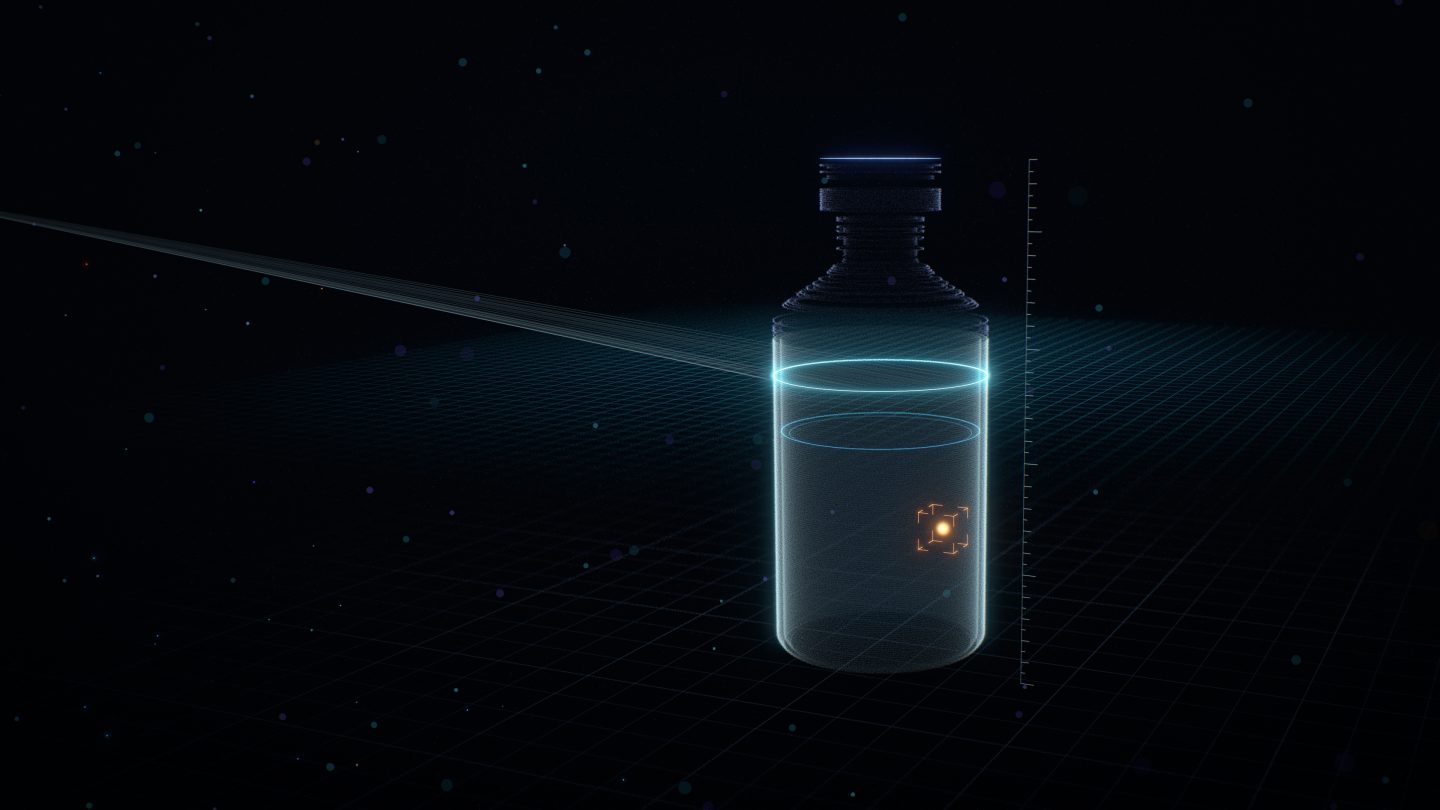
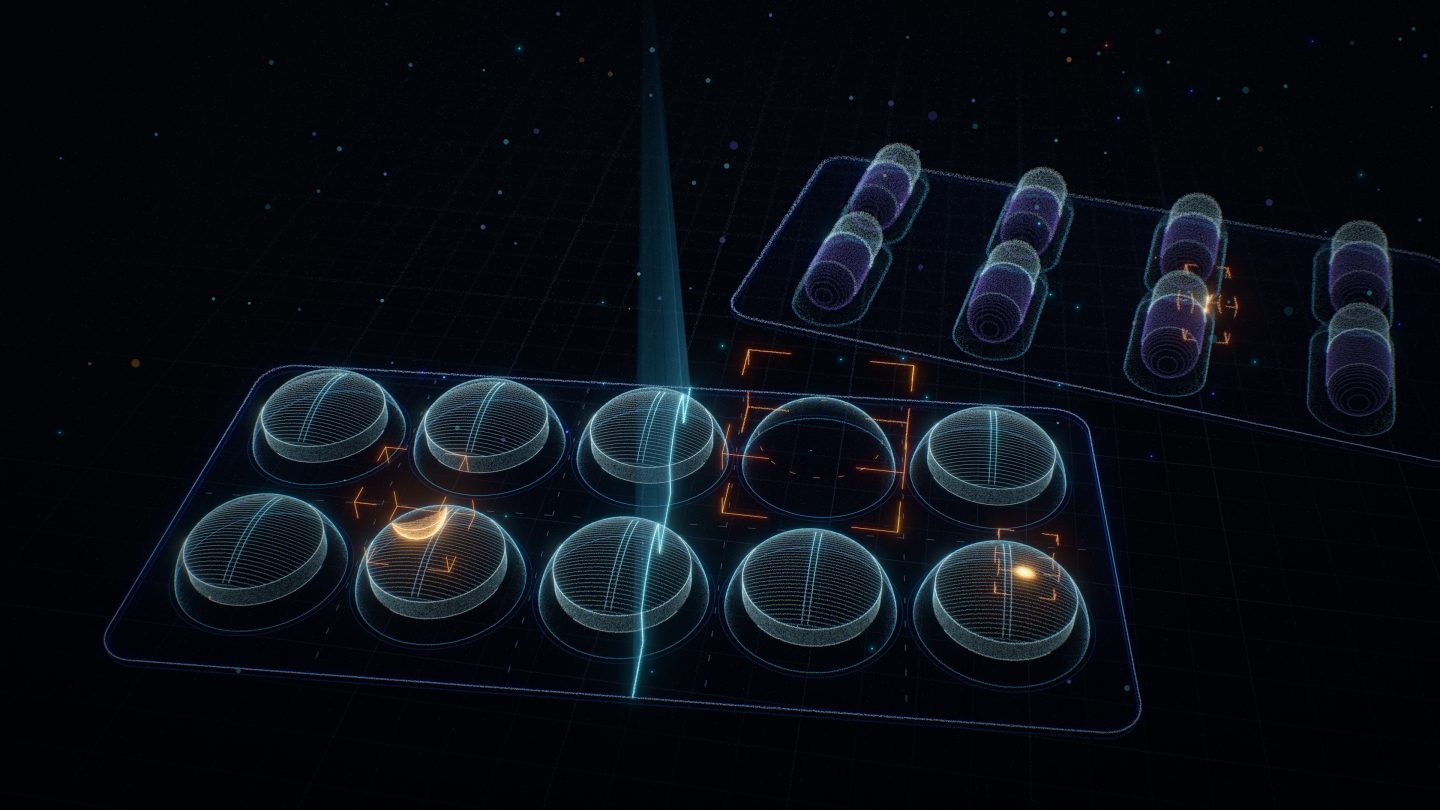
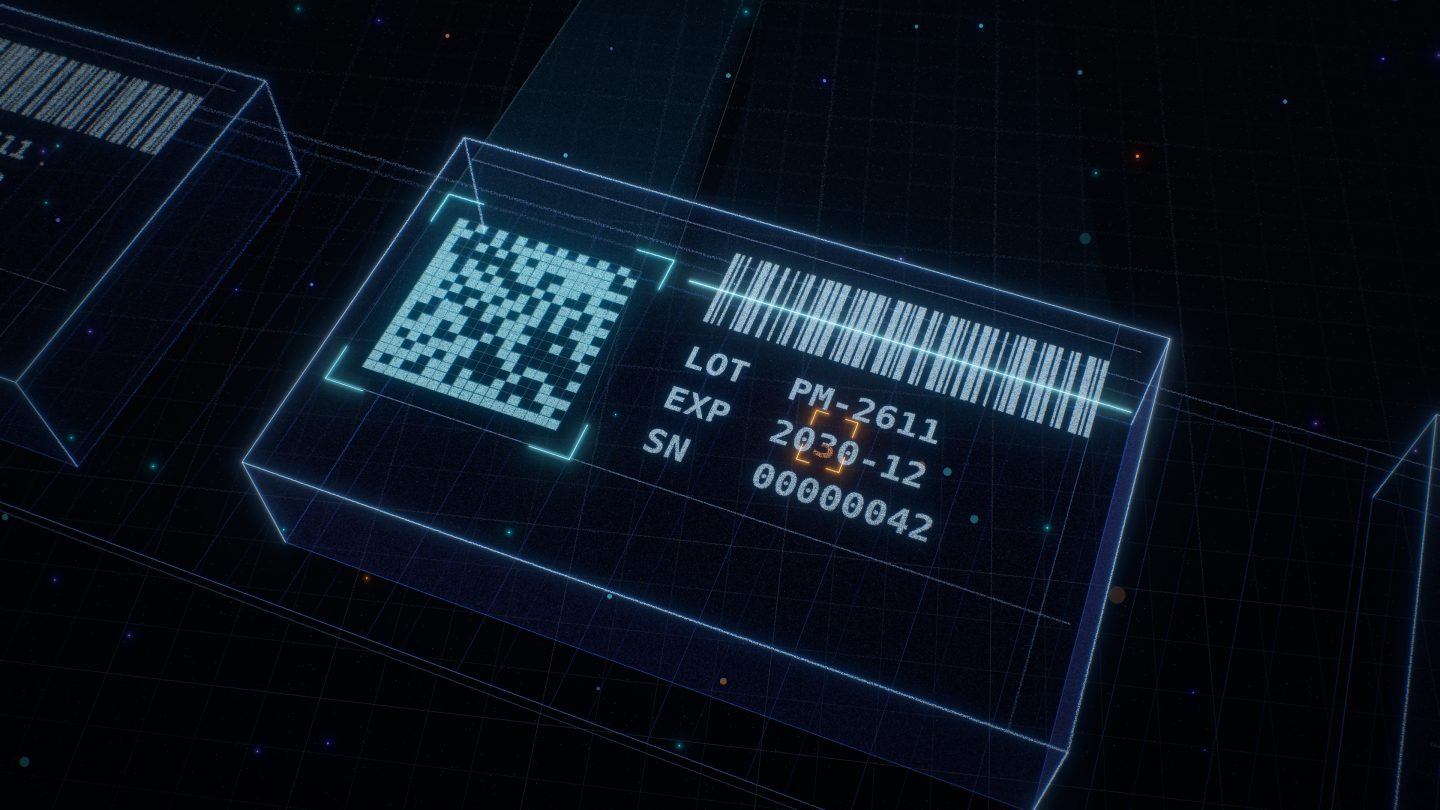
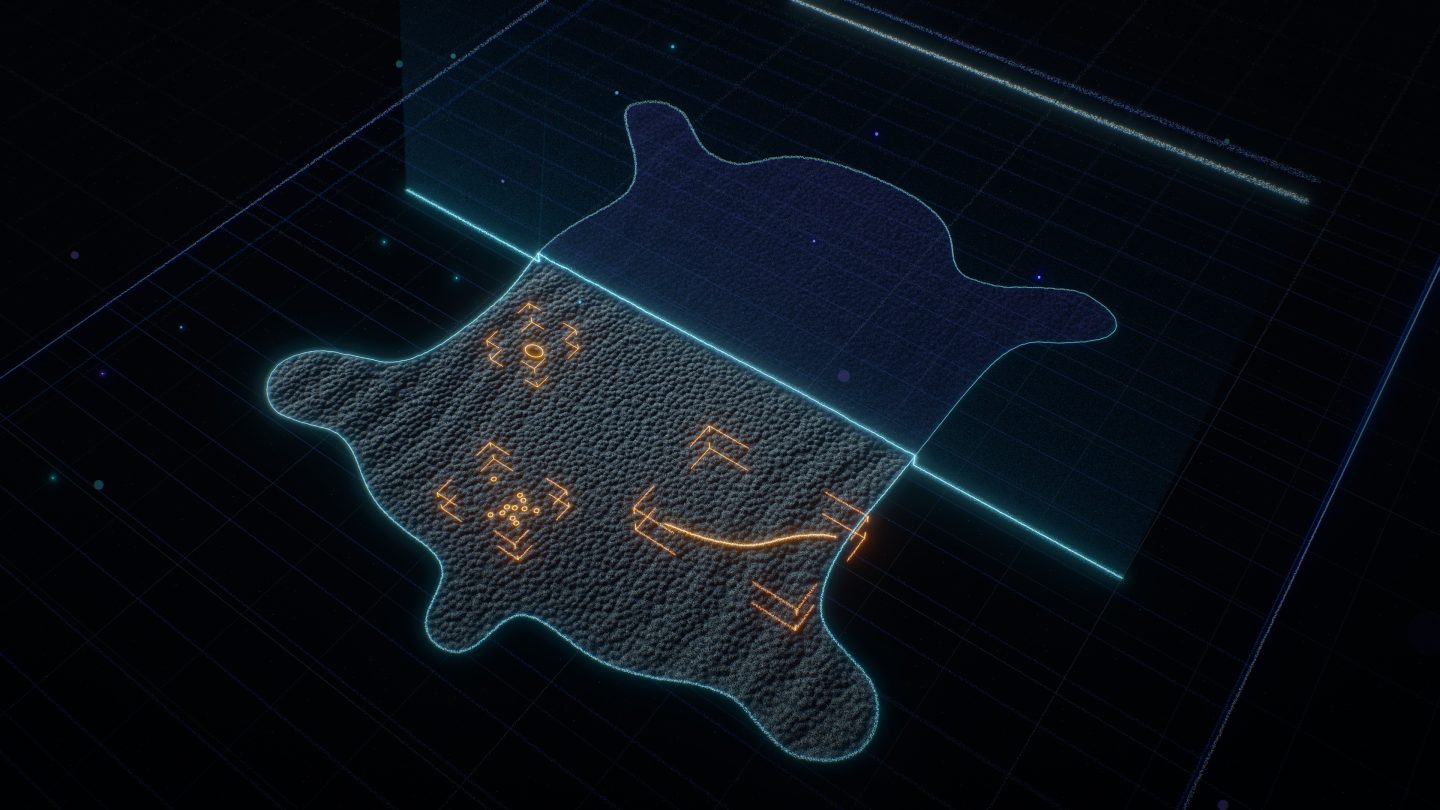
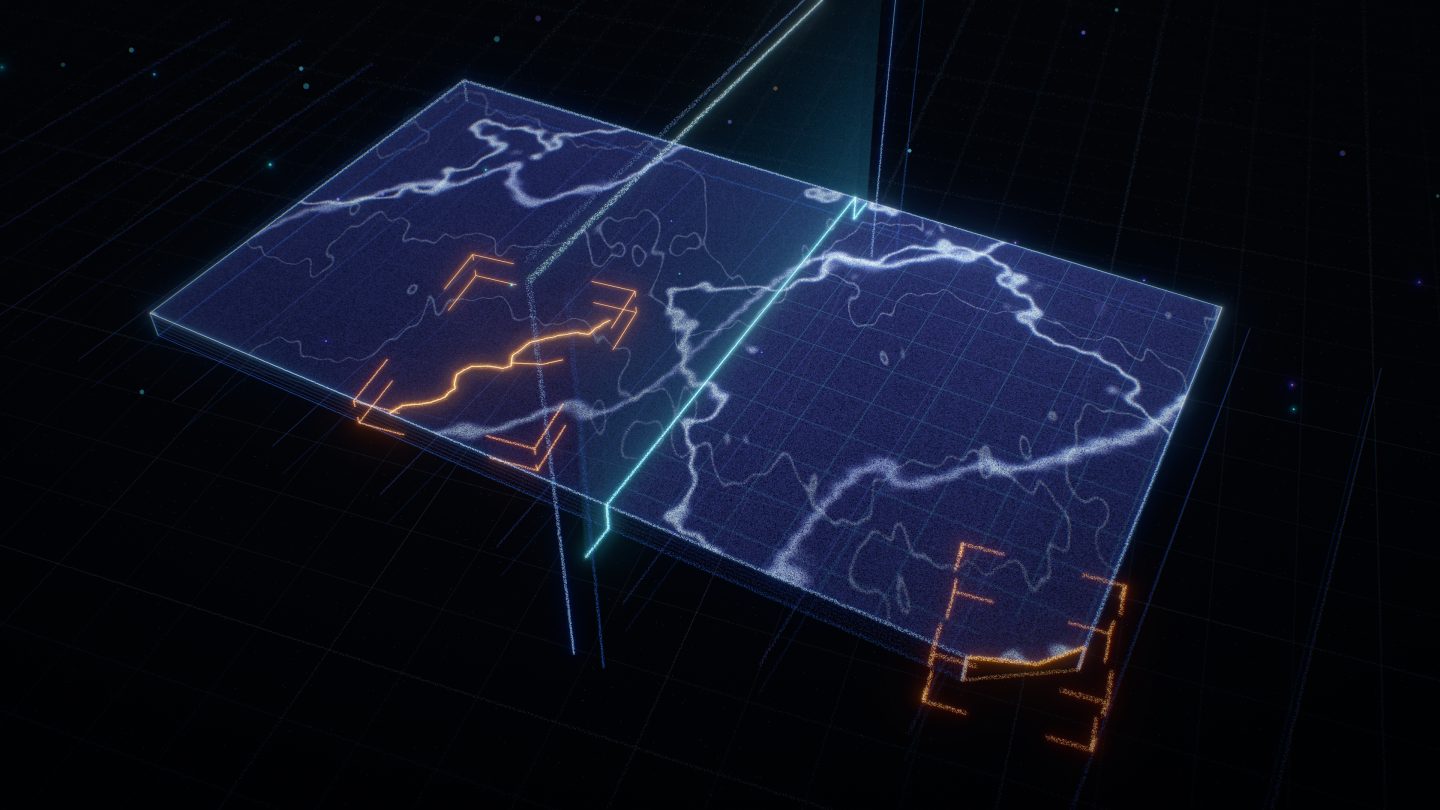
Procedural renders made for this site. Boxes mark the kind of defect each system has to catch.
Pharmaceutical
Vials, ampoules, syringes and cartridges: particles, cracks, closures and fill level on transparent containers in motion — in a validated environment (21 CFR + Part 11, GAMP 5) where every change is controlled and documented.
Typical defects
- Particles
- Cracks
- Closures
- Fill level
Tablets & capsules
Solid dosage forms, in bulk and in blisters: chipped or broken tablets, spots and colour deviations, cracked or dented capsules, empty pockets or the wrong product in them.
Typical defects
- Chips & breaks
- Spots
- Cracked capsules
- Empty pockets
Codes & printed text
Linear and 2D codes — Data Matrix, QR, GS1 — and human-readable lot, expiry and serial numbers, read and verified at line speed for traceability and line clearance.
Typical defects
- Unreadable codes
- Wrong data
- Print quality
- Missing characters
Leather
Whole hides, no two alike: scars, holes, insect bites, wrinkles and grain variation, mapped across the full surface of a natural material where “normal” changes from piece to piece.
Typical defects
- Scars
- Holes
- Insect bites
- Wrinkles
Marble & surfaces
Stone slabs and other large surfaces: cracks, chips, stains and texture defects, told apart from the veining that makes every slab unique.
Typical defects
- Cracks
- Chips
- Stains
- Texture
04About
From the operating room to the production line

I started in research — medical imaging and robot-assisted neurosurgery at the University of Verona — and moved into industry in 2014. Since 2016 I have worked on machine vision for industrial inspection.
At Brevetti CEA I developed computer-vision algorithms for automatic inspection machines for injectable pharmaceuticals, and from 2018 I led the deep-learning team that brought AI into those systems. Since 2022 I have been CTO of AIVIZ, a computer-vision company in Verona. Since 2025 I also train and advise companies that are bringing AI into their industrial processes, and I work closely with the University of Verona (INTELLIGO Labs).
The thread is method. In an operating room and on a production line, a wrong output has consequences: measure carefully, validate honestly, and design systems that fail in ways you can understand.
- Now
- CTO, AIVIZ2022 — present
- Industrial vision
- Since 2016Brevetti CEA · AIVIZ
- Doctorate
- PhD, University of VeronaMultimodal Imaging in Biomedicine, 2014
- Teaching
- MSc in Artificial IntelligenceUniversity of Verona, A.Y. 2023/24
05Contact
Tell me about your line.
A product to inspect, a vision system that has to become reliable, a team to grow — or a research question. Write a few lines: the best conversations start with a concrete problem.